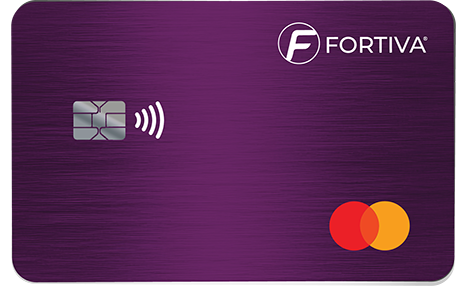
The Fortiva® Cash Back Rewards Mastercard is designed for consumers with bad or fair credit who can't qualify for mainstream cards and don't want to lock up a security deposit. It's unsecured, reports to major credit bureaus, and offers a rare 3% cash back on gas, groceries, and utilities — categories that matter for budget-conscious households. The catch is substantial: annual fees that range from $85 to $175 in year one, ongoing monthly maintenance fees from year two, a 36% APR, and rewards that barely keep pace with the fee structure.
Cash Back Rates
| Category | Cash Back | Notes |
|---|---|---|
| Gas Stations | 3% | Unlimited |
| Grocery Stores | 3% | Unlimited |
| Utility Bill Payments | 3% | Unlimited |
| All Other Purchases | 1% | Unlimited |
| Welcome Bonus | None | No sign-up bonus |
The Fee Structure — Read This Before Applying
Fortiva's fee structure is the most important thing to understand before applying. The card charges no monthly fee in the first year, relying instead on the annual fee. From year two onward, both annual and monthly fees apply:
| Year | Annual Fee | Monthly Fee | Maximum Total Annual Cost |
|---|---|---|---|
| Year 1 | $85–$175 | $0 | $175 |
| Year 2+ | $0–$49 | $5–$15/mo | $49 + $180 = $229 |
In the worst case, a Year 2+ cardholder could pay $229/year in fees. To break even on 3% cash back in gas/groceries/utilities, you'd need to spend roughly $7,633/year ($636/month) in those categories — at the maximum credit limit of $1,000, that's impossible without revolving the balance repeatedly.
36% APR Makes Carrying Any Balance Extremely Costly
Fortiva's 36% APR is among the highest in the industry. A $500 balance carried for 12 months at 36% incurs $180 in interest — more than the entire annual fee. The 3% cash back on $500 in spending is $15. Net result: -$165 on every $500 carried. This card only makes financial sense if you pay the statement balance in full every single month, every billing period, without exception.
Credit Building Value
Fortiva reports to all three major credit bureaus (Equifax, Experian, TransUnion), making on-time payments visible to future lenders. It also provides free VantageScore 4.0 credit monitoring via TransUnion starting 60 days after account opening. For someone with damaged credit who cannot qualify for a secured card and needs an unsecured option, Fortiva does provide a legitimate credit-building pathway — but the fees make it expensive compared to secured alternatives.
Better Alternatives to Consider First
Before applying for Fortiva, consider: Discover it® Secured (no annual fee, 2% at gas/restaurants, 1% elsewhere, graduates to unsecured), Capital One Platinum Secured (no annual fee, possible $200 limit with $49 deposit), or OpenSky Secured Visa (no credit check required, $35 annual fee). All three cost significantly less than Fortiva for the same credit-building outcome.
Pros & Cons
What We Like
- Unsecured — no security deposit required
- 3% on gas, groceries, and utilities — rare for a bad-credit card
- Reports to all 3 major credit bureaus for credit building
- Free VantageScore 4.0 monitoring after 60 days
- Prequalify with a soft pull (no credit impact)
What to Watch Out For
- Annual fee $85–$175 in year one — steep for a rebuilder card
- Monthly maintenance fees from year two ($5–$15/month)
- 36% APR — extremely punishing if you carry any balance
- Credit limit only $350–$1,000 — limits spending and rewards earning
- 3% foreign transaction fee
- No welcome bonus
Fortiva® Cash Back Rewards Mastercard
3% gas/groceries/utilities · No deposit required · Reports to all 3 bureaus · Fair–Bad credit
Apply Now →Bottom Line
The Fortiva Cash Back Rewards Mastercard is only worth considering for consumers who cannot qualify for a secured card and have exhausted other options. The 3% on essential categories is genuinely rare at this credit tier, and the unsecured nature removes the barrier of a security deposit. But the fee structure is expensive — potentially $229/year — and the 36% APR is punishing for anyone who carries a balance. Exhaust secured card options first; they cost less and achieve the same credit-building goal.